

Quick answer
The gran canaria best snorkeling spots concentrate along the island's eastern and southern coasts, where volcanic rock formations create natural marine reserves. Playa de El Cabrón near Arinaga leads for biodiversity and year-round clarity, with morning sessions between 09:00 and 12:00 offering optimal visibility before afternoon wind increases water movement. Most coastal snorkeling areas remain accessible daily without fees, though conditions shift with seasonal swells and local currents.
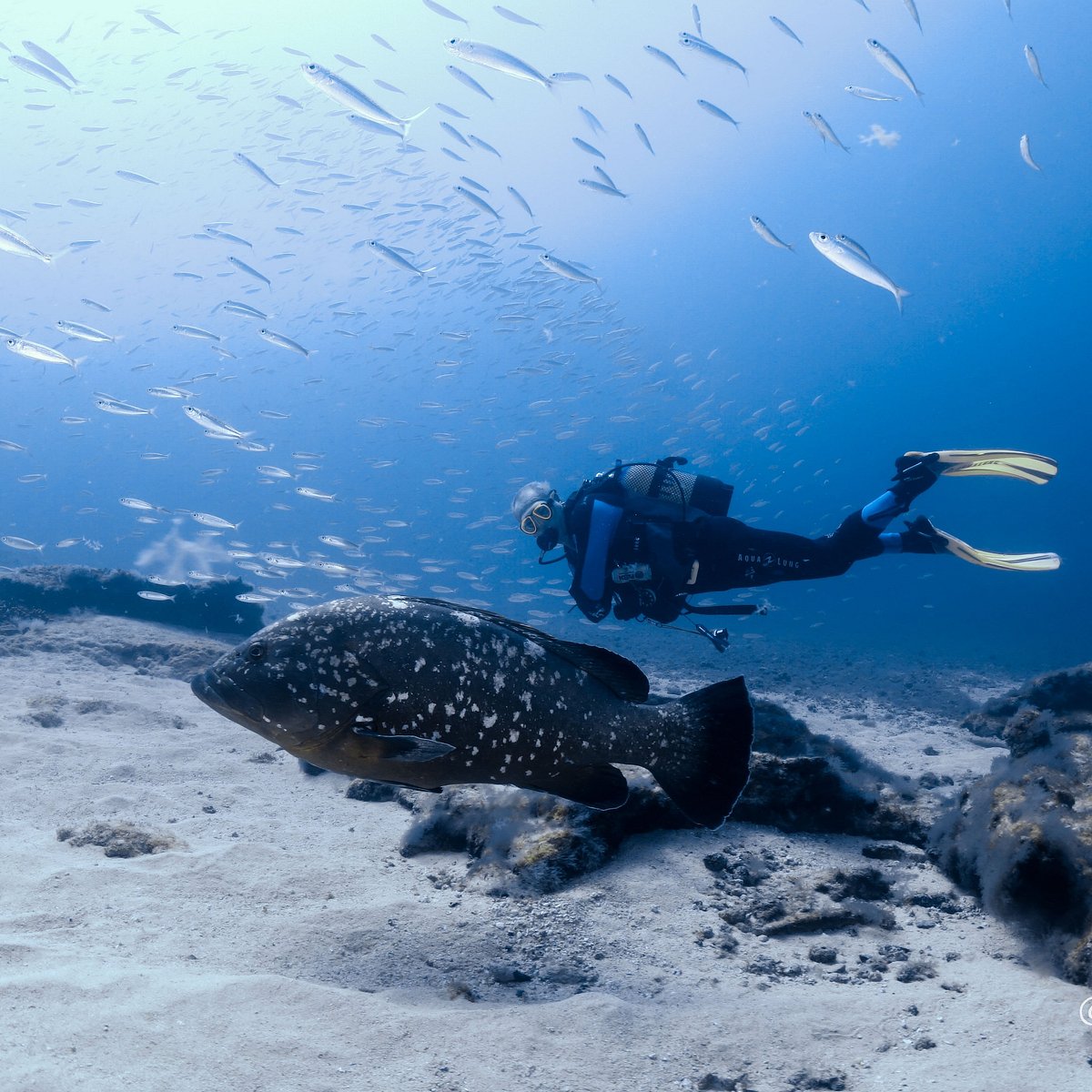
Gran Canaria's underwater topography contains over forty documented snorkel-accessible sites, yet fewer than ten deliver reliable encounters with the island's signature species. The eastern shore between Arinaga and Pozo Izquierdo benefits from offshore volcanic ridges that break Atlantic swell energy before it reaches the coast. This geological arrangement produces calmer surface conditions and higher visibility averages than the windward northern beaches, where year-round trade winds churn sediment and limit underwater sight lines to three meters on typical days. El Cabrón anchors the gran canaria best snorkeling spots for its protected reserve status and structural complexity. The site's submerged lava tubes and boulder fields create micro-habitats where ornate wrasse, trumpet fish, and cuttlefish shelter from currents. Entry requires navigating a rocky shoreline with no beach facilities, which self-selects for intermediate swimmers and keeps daily visitor counts lower than resort-adjacent locations. The reserve's boundaries prohibit fishing and anchor drops, allowing populations of parrotfish and grouper to reach sizes uncommon elsewhere on the island. Mornings deliver the clearest water, with visibility extending to fifteen meters when offshore winds remain light. Southern alternatives include Pasito Blanco's sheltered marina edges and the shallow platforms at Playa del Cabrón's western neighbor, Risco Verde. These sites trade El Cabrón's biodiversity for easier access and sandy entries suitable for novice snorkelers. Water temperatures hold between 19°C in February and 24°C in September, requiring at minimum a shorty wetsuit for comfort during extended immersions. The island's snorkeling infrastructure remains minimal by Mediterranean standards—no guided shore entries, no equipment rental kiosks at most sites, no marked underwater trails. This absence of commercial development preserves the coastline's natural character while demanding self-sufficiency from visitors who arrive expecting managed experiences. Current patterns govern when each location performs. El Cabrón's southern exposure becomes choppy when Saharan wind events push swells from Africa, typically during late spring. During these periods, north-facing sites like Sardina del Norte gain advantage despite their generally lower baseline clarity. Checking wind forecasts and tide charts before committing to a specific beach prevents wasted trips to sites rendered unfavorable by that day's conditions.
“El Cabrón's submerged lava tubes and boulder fields create micro-habitats where ornate wrasse, trumpet fish, and cuttlefish shelter from currents.”
The Best Times to Visit Gran Canaria Best Snorkeling Spots
The window between 09:00 and 12:00 gives the clearest water and the calmest surface, since afternoon trade winds and rising boat traffic stir up sediment and current later in the day.
June to September
Steady visitor numbers at coastal spotsWarm, sea 22-24C, light morning wind
Summer mornings before 12:00 offer the calmest window before the alisios trade winds pick up in the afternoon, especially at exposed sites like Playa de El Cabrón.
October to November
Fewer visitors than summerSea still 21-23C, mild breeze
Wind tends to ease compared to peak summer months, stretching the good-visibility window a little later into the day, though early arrival still pays off.
December to February
Quietest months at the waterCooler, sea 18-20C, stronger gusts possible
Winter swells and stronger wind make the 09:00-12:00 slot more important, since afternoon conditions can turn choppy fast at north and east-facing spots.
Weekday mornings
Fewer swimmers and divers in water—
Arriving on a weekday before midday means clearer water untouched by fins and boat wakes, and easier parking near sites like Arinaga.
Weekend afternoons
Busiest at accessible beach spots—
Local families and visitors tend to arrive from midday onward, so weekend afternoons bring more people in the water and reduced underwater visibility.
Verdict: For the clearest water and calmest current, aim for a weekday morning between 09:00 and 12:00 in October, when the summer crowds have thinned but the wind has not yet picked up.
Top Locations for Gran Canaria Best Snorkeling Spots
Gran Canaria's coastline mixes protected marine reserves, black volcanic reefs, and calm urban bays, each with a distinct mix of terrain and marine life. These are the named sites most consistently recommended by local dive and snorkel operators.
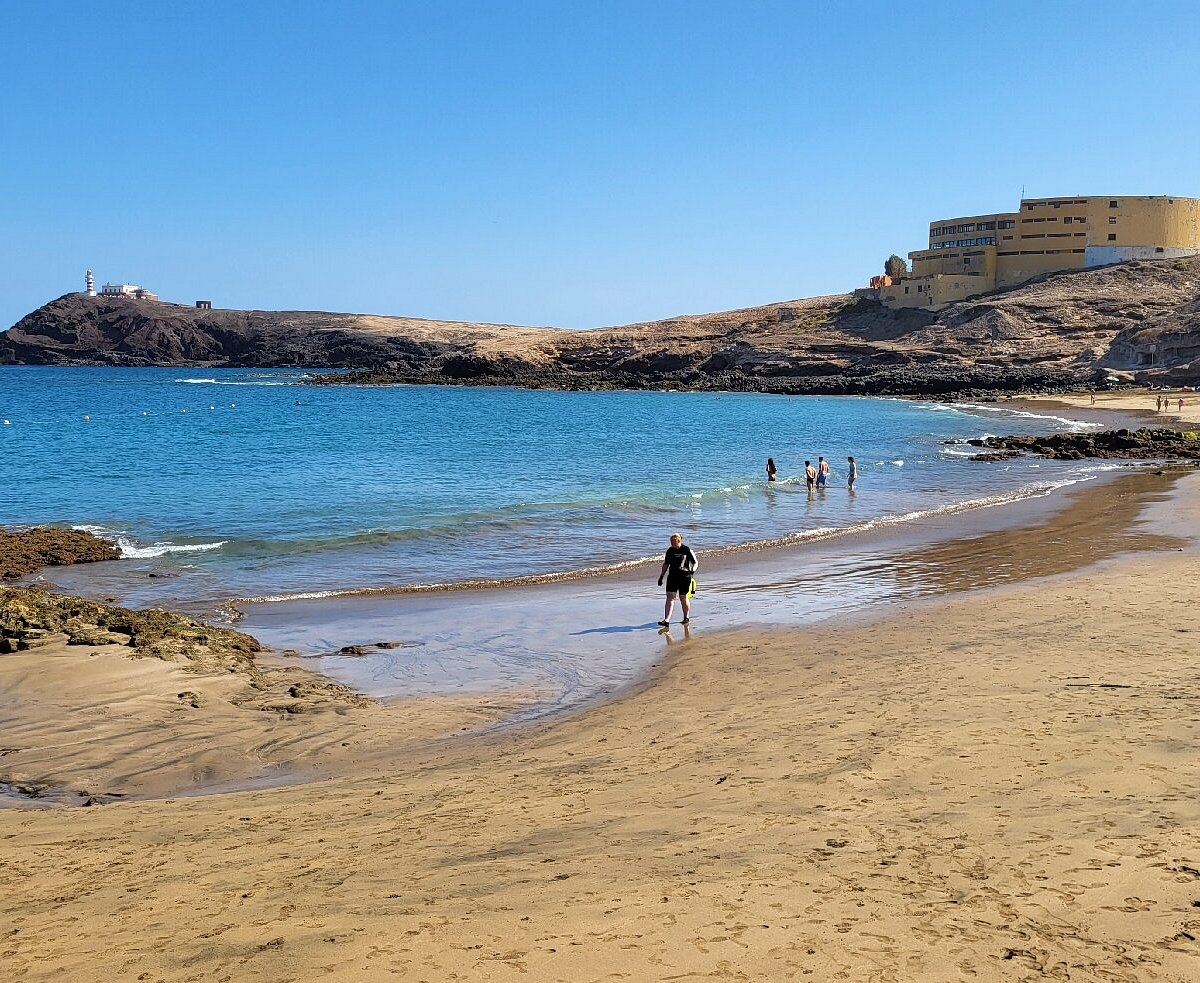
Playa de El Cabrón
A marine reserve near Arinaga with rocky reefs, volcanic caves, and one of the island's richest concentrations of fish species including groupers and barracuda.
Enter from the northern rocks, check tide before descending.
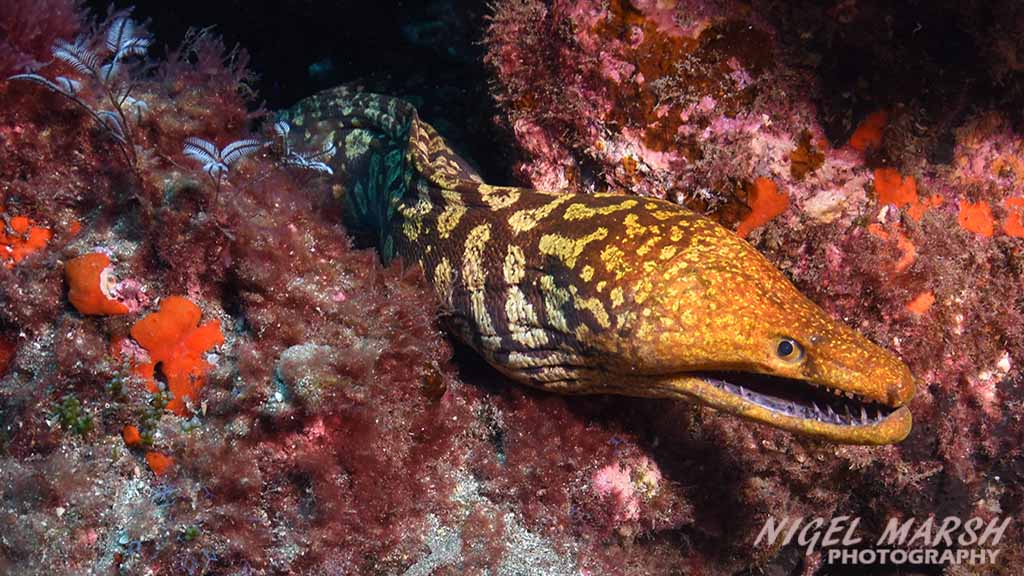
El Cabrón Marine Reserve
The protected zone extends along the coast south of Arinaga, drawing divers and snorkelers for its clear water and varied seabed depth.
Swim past the shoreline shelf to reach deeper reef structure.
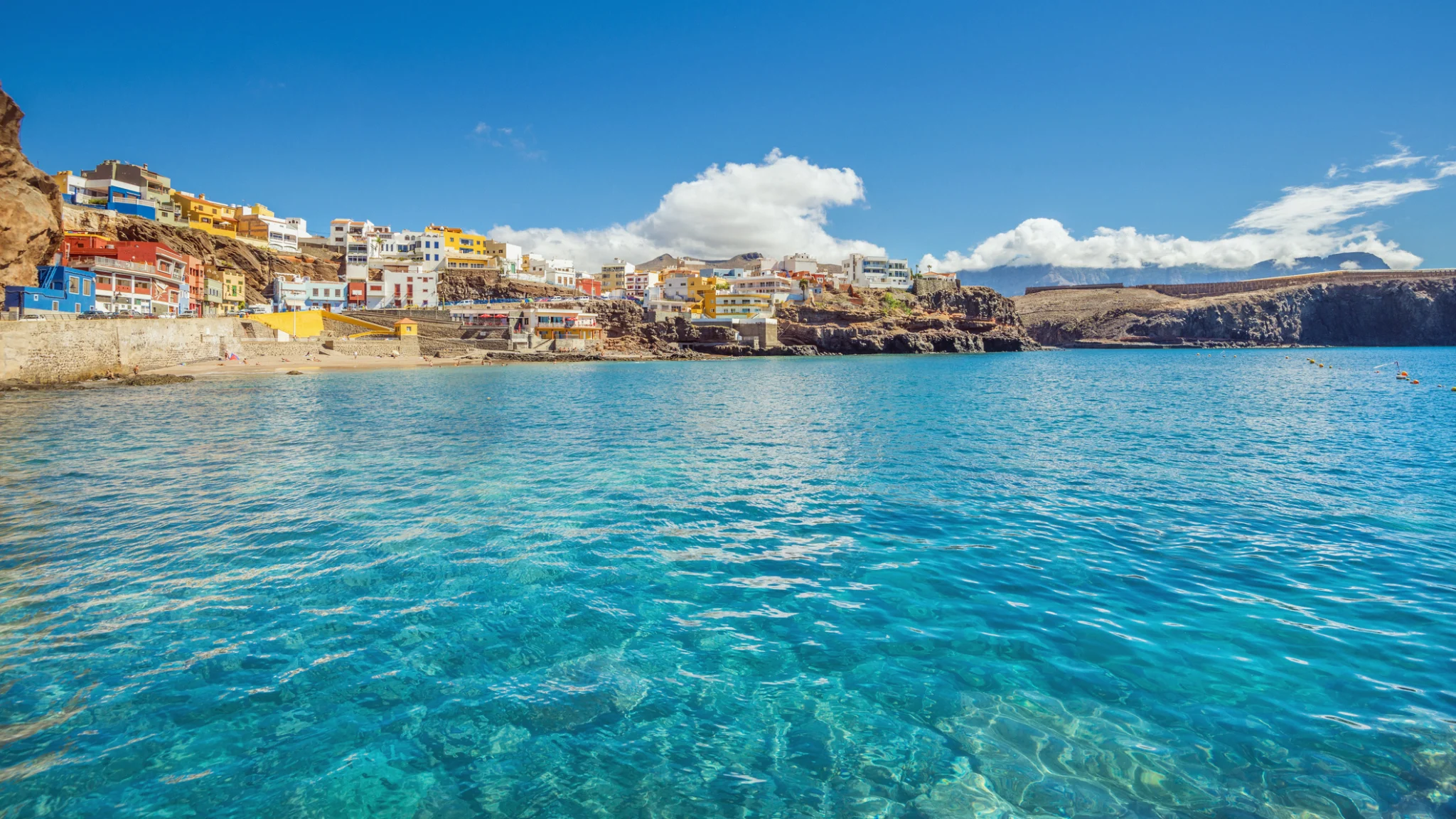
Sardina del Norte
A small fishing village bay on the north coast with a sheltered cove, sandy patches, and volcanic rock formations close to shore.
Stay near the harbor wall where fish gather.
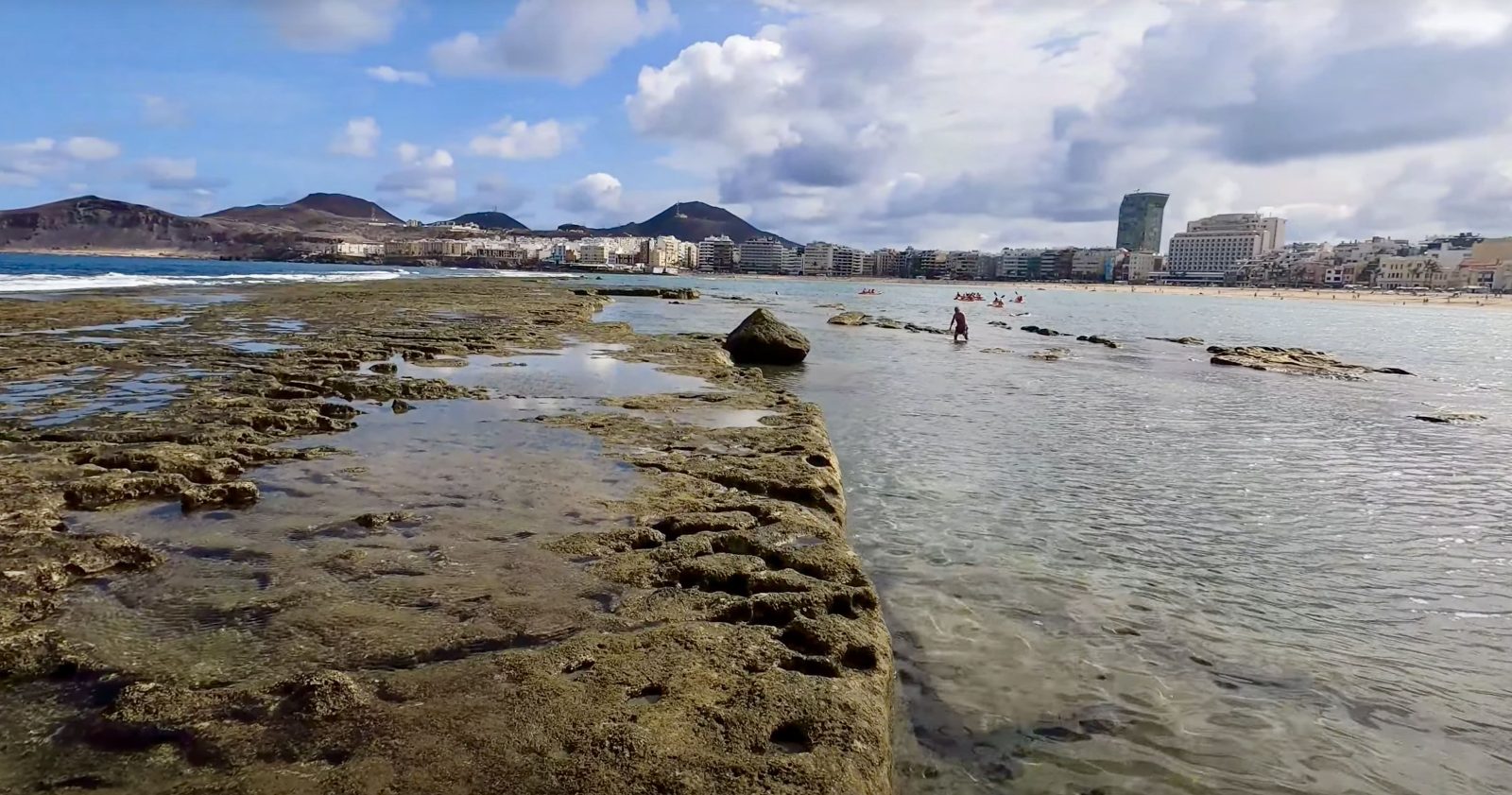
Playa de las Canteras
A long urban beach in Las Palmas protected by La Barra, a natural sandbar reef that creates a calm lagoon ideal for beginners.
Snorkel along La Barra reef at low tide for best visibility.
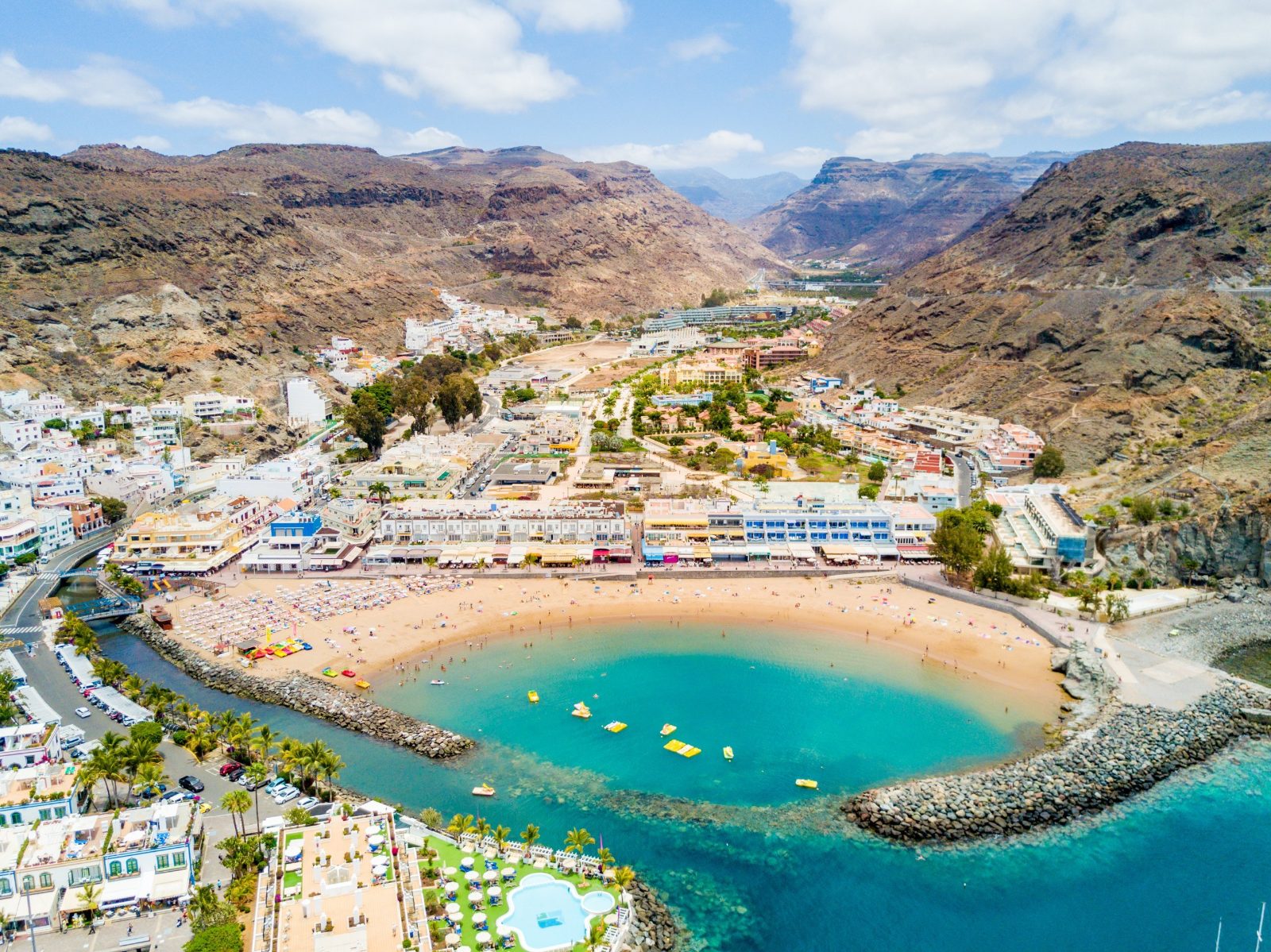
Playa de Mogán
A harbor-side beach in the south with calmer water and rocky outcrops near the breakwater, home to smaller reef fish and occasional rays.
Follow the breakwater rocks rather than the open sand.
Opening Hours for Gran Canaria Best Snorkeling Spots
The snorkeling spots located along the Gran Canaria coastline are public areas accessible 24 hours a day. There are no operational restrictions or facility closures at these sites.
| Monday | 00:00–23:59 | |
|---|---|---|
| Tuesday | 00:00–23:59 | |
| Wednesday | 00:00–23:59 | |
| Thursday | 00:00–23:59 | |
| Friday | 00:00–23:59 | |
| Saturday | 00:00–23:59 | |
| Sunday | 00:00–23:59 |
Entrance Fees for Gran Canaria Best Snorkeling Spots
Access to all public snorkeling locations in Gran Canaria, including Playa de El Cabrón, is provided at no cost. There are no official entrance fees for these coastal areas.
A typical adult pays 0 EUR for access, as all public coastal snorkeling locations remain free of charge.
How to Reach Gran Canaria Best Snorkeling Spots
Arinaga and Playa de El Cabrón sit on the southeast coast of Gran Canaria, about 25-30 km south of Las Palmas. The most direct approach is by the GC-1 motorway, since these coastal points lie beyond easy walking distance from any rail or metro network on the island.
GC-1 motorway south to Arinaga exit, then GC-100 toward the coast and Playa de El Cabrón
Global guaguas south-coast line to Arinaga town, then local road on foot or taxi to El Cabrón
Direct from Las Palmas or airport via GC-1 to Arinaga/El Cabrón coastal access point
From Arinaga town center along the coastal track to Playa de El Cabrón
Checklist for Visiting Gran Canaria Best Snorkeling Spots
Prepare the right gear and safety essentials for a safe and comfortable snorkeling session at Gran Canaria's coastal spots.
-
Pack a well-fitting mask and snorkel — A proper seal prevents leaks and ensures clear underwater visibility.
-
Bring fins for easier swimming — Fins help you navigate currents and conserve energy in open water.
-
Apply reef-safe sunscreen before entering — Protect your skin without harming marine ecosystems and coral.
-
Carry drinking water in a sealed bottle — Staying hydrated is essential, especially under direct sun between swims.
-
Wear a rash guard or wetsuit — Protects against sun exposure, jellyfish, and cooler water temperatures.
-
Bring a dry bag for valuables — Keeps phones, keys, and clothing safe while you're in the water.
-
Check local surf and wind forecasts — Conditions vary by location and time, affecting visibility and safety.
Check availability
Frequently asked questions about gran canaria best snorkeling spots
Everything you need to know about gran canaria best snorkeling spots