

Quick answer
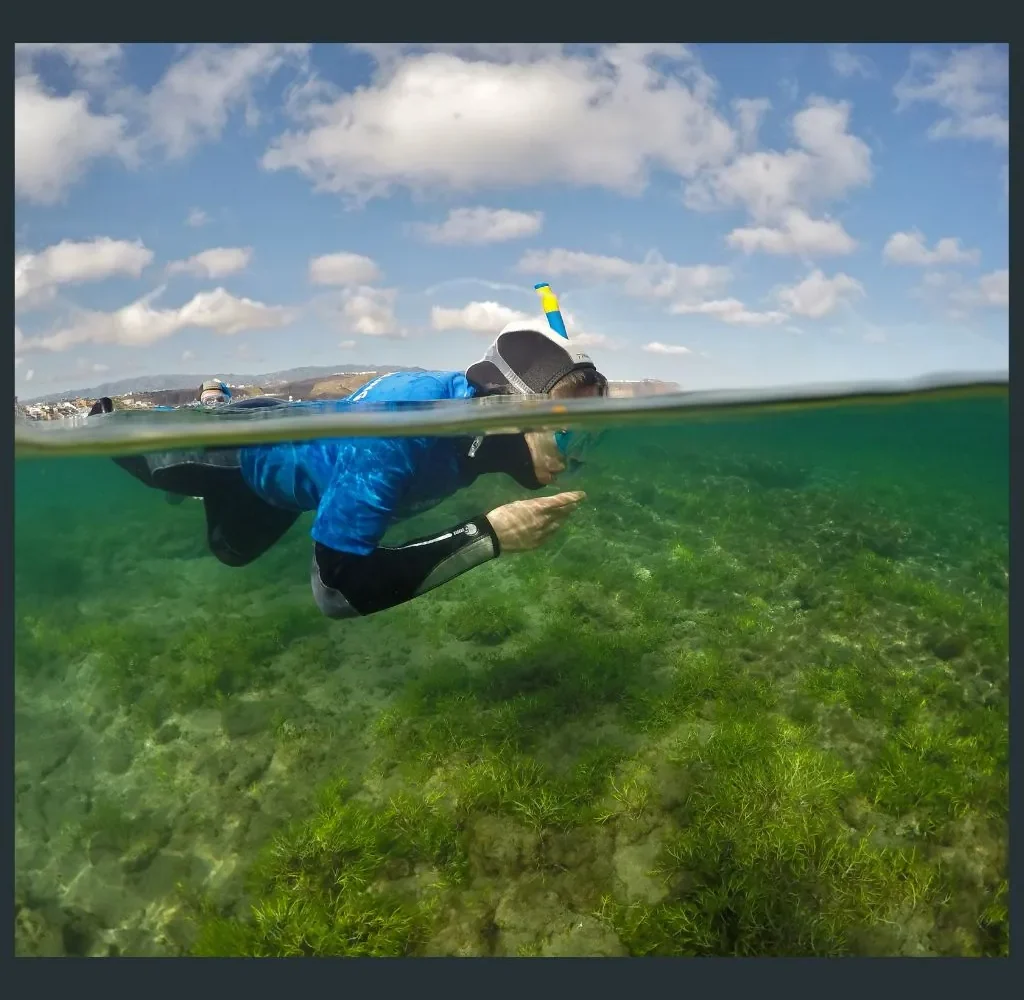
Snorkeling Gran Canaria Las Palmas centers on Playa de Las Canteras, a 3-kilometer urban beach with free public access and no entrance fee. The beach is open 24 hours, but the best snorkeling window is 09:00–11:00 when morning calm delivers the clearest visibility before afternoon trade winds stir sediment and crowds arrive.
Playa de Las Canteras sits along the northwest edge of Las Palmas, protected by La Barra—a natural volcanic reef that runs parallel to shore and creates a sheltered lagoon at the southern end. This reef system is the reason snorkeling gran canaria las palmas works at all: without it, the open Atlantic would flatten any attempt at calm-water observation. The southern third of the beach, locally called La Puntilla, holds the most consistent snorkeling conditions. Water depth stays between one and three meters over rocky substrate where parrotfish, damselfish, and occasional rays move through. The reef itself is fragmented basalt, not coral, so visibility depends entirely on wave action and sediment suspension. Morning hours before 11:00 typically offer three to six meters of clarity; by midafternoon, wind-driven chop reduces that to under two meters. The northern stretches—Playa Chica and the stretch near the Alfredo Kraus Auditorium—face more open swell and rarely deliver snorkeling-grade conditions. Access requires no permit, no ticket, and no tour operator. You walk onto public sand, wade in, and swim out. That simplicity is also the constraint: there are no lifeguards stationed specifically for snorkelers, no marked swim lanes, and no equipment rental kiosks on the beach itself. Shops along Calle Alfredo L. Jones rent mask-and-fin sets, but most visiting snorkelers bring their own. The water temperature holds between 19°C in February and 24°C in September, cold enough that a shorty wetsuit extends comfort for longer sessions. The reef's biodiversity is modest by tropical standards—expect Atlantic species adapted to cooler water and volcanic terrain, not the spectrum you'd find in the Red Sea or Caribbean. What makes snorkeling gran canaria las palmas functional is reliability: the site is swimmable most days of the year, the entry is immediate, and the infrastructure of a capital city sits two blocks behind you. It is urban reef snorkeling, and the tradeoffs are embedded in that description.
“La Barra reef creates the only sheltered snorkeling lagoon on this stretch of Atlantic coast.”
Getting to Las Canteras for Snorkeling in Las Palmas Gran Canaria
Playa de Las Canteras is located in the northern part of Las Palmas de Gran Canaria. It is easily accessible via public transport or walking from the city center.
Guaguas Municipales lines 1, 2, or 17 to Parque Santa Catalina
Walking from city center/Santa Catalina park area
Parking at Aparcamiento Las Canteras or street parking via blue zone (zona azul)
Best Time for Snorkeling Gran Canaria Las Palmas: Tides, Wind and Season
The best arrival window for snorkeling at Playa de Las Canteras is 09:00–11:00, when the water remains calm and visibility is highest before the afternoon wind develops. This period offers the most stable conditions for observing marine life near La Barra.
Weekday mornings
Minimal crowds—
Water is calmest and visibility is optimal for shallow reef exploration.
Summer months (June–August)
Moderate crowds22°C–26°C
Extended daylight hours with warmer water temperatures and minimal ocean swell.
Winter months (December–February)
Lower volume18°C–22°C
Occasional Atlantic swells can affect visibility near the reef break.
Afternoons
Peak crowds—
Wind speeds often increase, creating choppy surface conditions and reduced clarity.
Verdict: For the most consistent conditions, plan your visit for weekday mornings between 09:00 and 11:00, specifically during the summer months when the ocean is calmest.
Where to Snorkel at Las Canteras: La Barra Reef and Best Zones
La Barra, a natural rock reef running parallel to the shore, is what turns Las Canteras into a snorkelable lagoon rather than open surf. Where you enter along the 3km bay determines what you see and how sheltered the water feels.
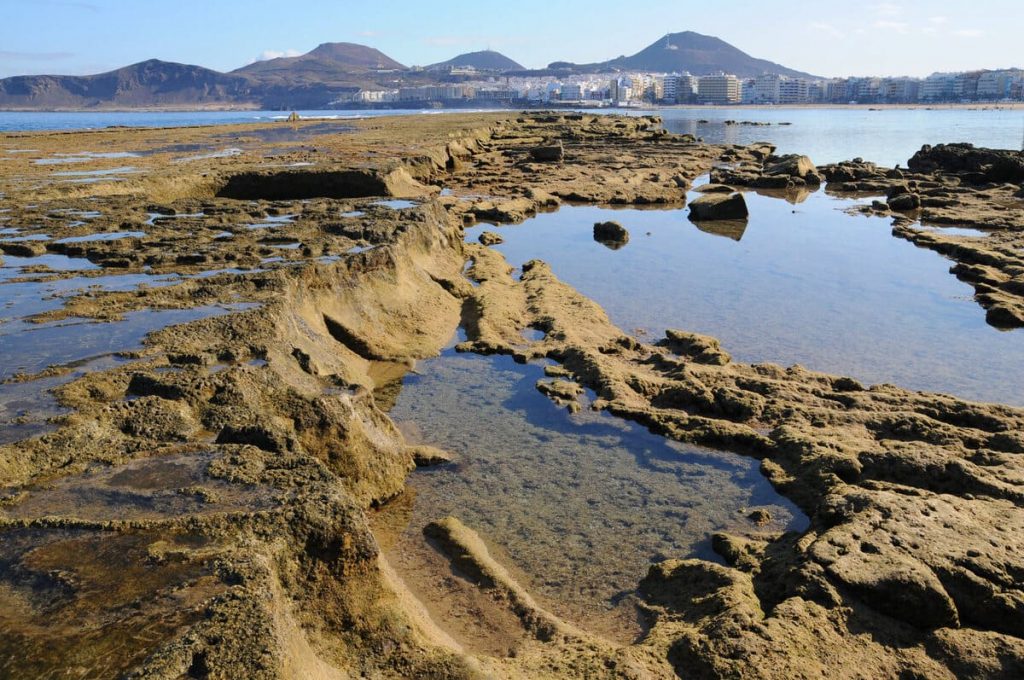
La Barra Reef
A submerged volcanic rock barrier that parallels the beach for much of its length, breaking incoming Atlantic swell and creating the calm, shallow lagoon on its landward side.
Snorkel the inner edge of the reef, not over open sand.
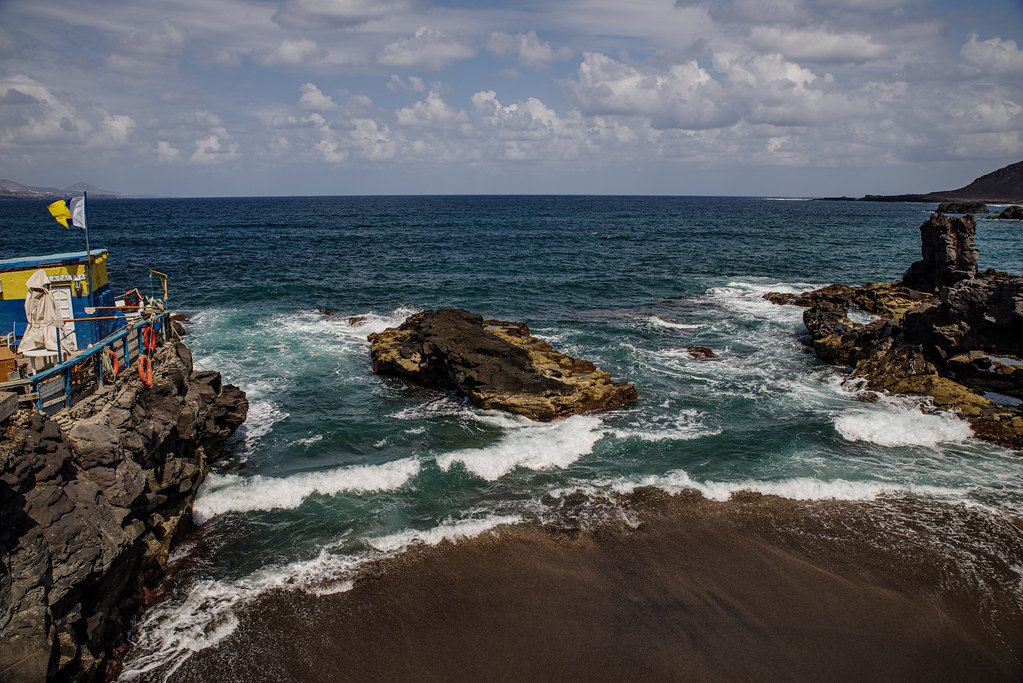
La Puntilla
The southern end of the beach where the reef sits closest to shore, giving a shorter swim to rocky structure and denser fish activity.
Enter here for the shortest swim to fish-rich rock.
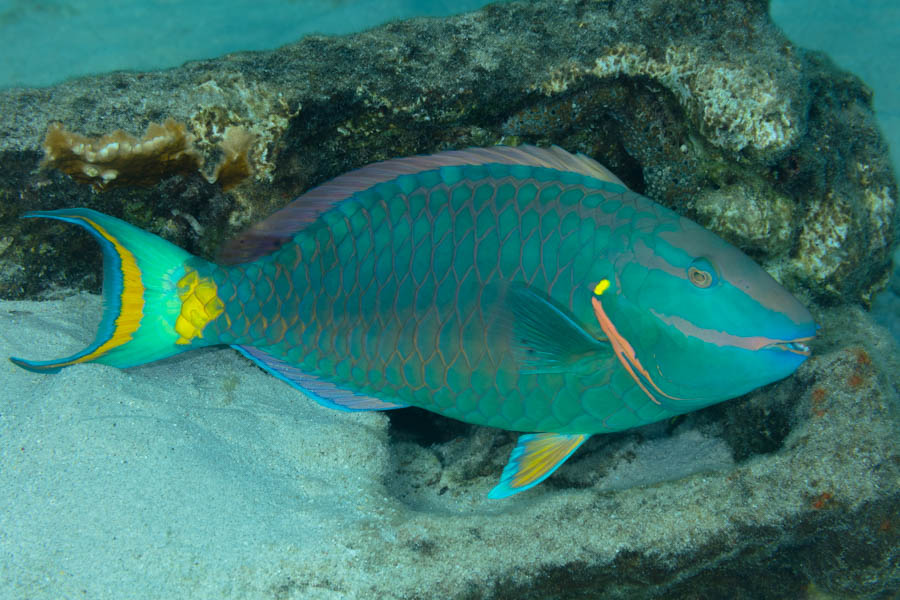
Central Reef Stretch (near Calle Luis Morote)
The mid-beach section where the reef widens, commonly used by local snorkelers for sightings of parrotfish and wrasse around the rock crevices.
Follow the rock line slowly, fish shelter in crevices.
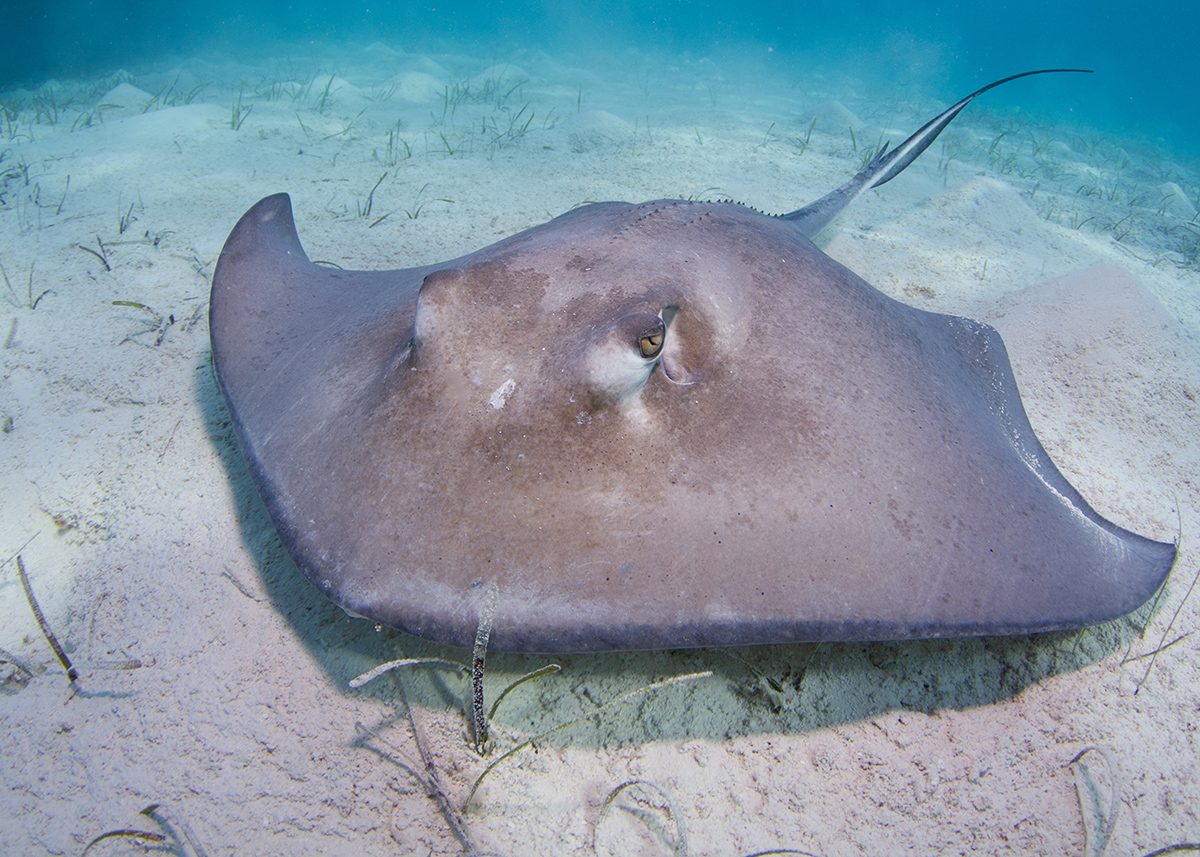
El Confital-facing North End
The northern tip near El Confital, where the reef breaks up and opens toward deeper water, occasionally bringing sightings of rays over sandy patches.
Scan open sandy gaps here for resting rays.
Snorkeling Gran Canaria Las Palmas: Rules and Safety Etiquette
Las Canteras is a shared urban reef. Respecting flag warnings, marine life, and other water users keeps the site safe and open for everyone.
Do
- Snorkel with a buddy or stay within sight of shore
- Check the flag system before entering—red means no swimming
- Stay north of La Barra rock formation to avoid surf zone
- Keep fins off the reef and avoid touching or standing on coral
- Rinse gear with fresh water at the public showers after your session
Don't
- Don't snorkel alone or stray beyond the marked swimming areas
- Don't feed fish or chase marine life—it disrupts their behavior
- Don't cross La Barra into the southern surf zone
- Don't walk on or collect pieces of the volcanic reef
- Don't leave litter or discard plastic on the beach
Snorkeling Gran Canaria Las Palmas: What to Bring Checklist
Las Canteras is a public beach with free access, so your checklist focuses on personal snorkeling gear and sun protection.
-
Bring mask, snorkel, and fins — Rental shops line the promenade, but your own gear ensures proper fit and hygiene.
-
Pack reef-safe sunscreen (SPF 30+) — Chemical sunscreens damage the reef; mineral formulas with zinc oxide or titanium dioxide are safe.
-
Wear water shoes or neoprene booties — Rocky entry points at the northern reef zones have sharp volcanic rock and sea urchins.
-
Bring a dry bag or waterproof pouch — The open beach has no lockers; secure your phone, keys, and wallet while you swim.
-
Pack a rashguard or wetsuit top — Water averages 19–23°C year-round; thermal protection prevents chill on longer snorkel sessions.
-
Carry a reusable water bottle — No beachside taps; stay hydrated before and after snorkeling in full sun.
Eating Near Las Canteras After Snorkeling in Las Palmas
Las Canteras has no on-site kiosks right on the sand, but the Paseo de Las Canteras promenade running the length of the beach is lined with restaurants and chiringuitos, and the La Puntilla area at the southern end offers a calmer, more local alternative to the busiest tourist stretch.
Paseo de Las Canteras (central stretch)
€€restaurant
The main promenade facing the beach, packed with terrace restaurants and bars serving fresh fish, tapas and paella within a short walk of any snorkeling entry point.
La Puntilla
€€restaurant
The quieter southern end of the beach, past the surf zone, with a smaller cluster of neighborhood restaurants and bars favored by locals over tourists.
Mercado del Puerto
€market
A produce and food market a short taxi or bus ride from the beach, useful for picking up fruit, snacks or picnic supplies instead of paying promenade prices.
Chiringuitos along Paseo de Las Canteras
€street
Casual beachfront stalls and kiosks scattered along the promenade offering drinks, ice cream and quick bites for right after getting out of the water.
Nearby Las Palmas Sights to Combine with Snorkeling Gran Canaria
A day built around Las Canteras leaves room for a walk through nearby city landmarks before or after the water. These sights sit within the same coastal district or a short bus ride away, making them easy to fold into the same outing.
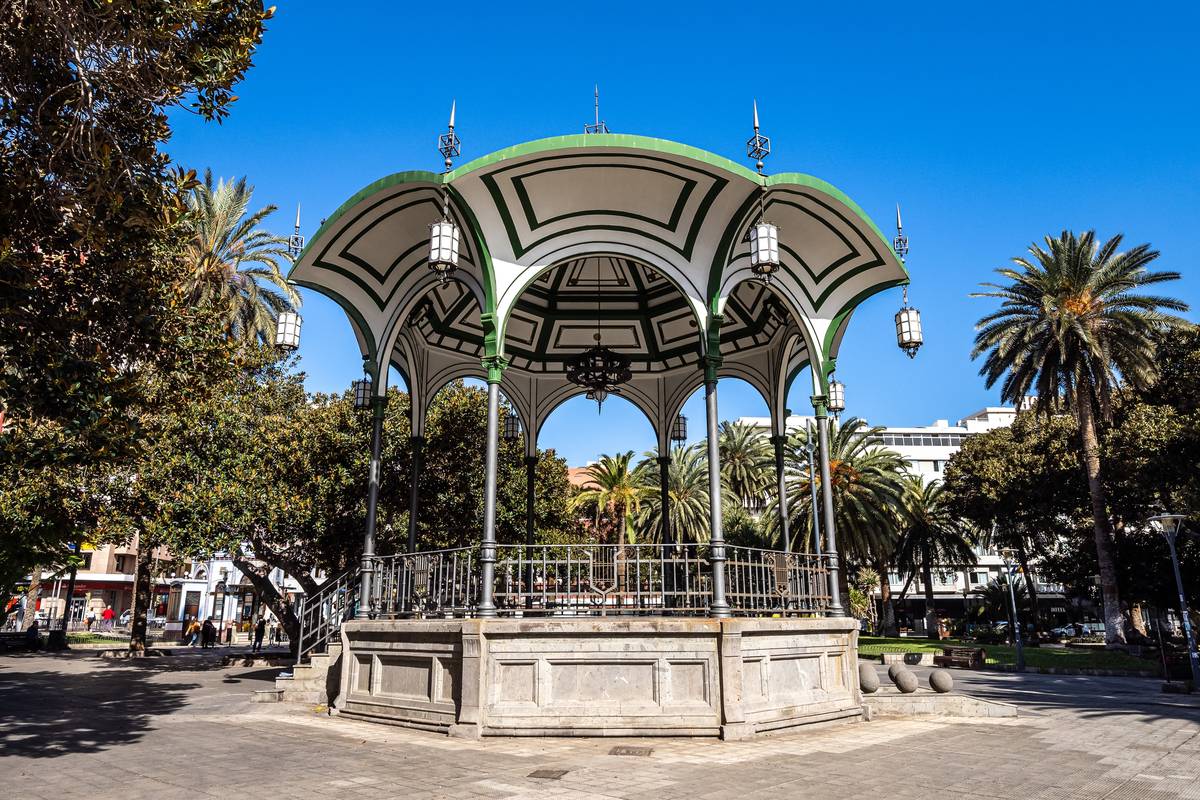
Parque de San Telmo
Sits at the southern tip of Las Canteras beach, so it works as a quick stop right before or after getting in the water.
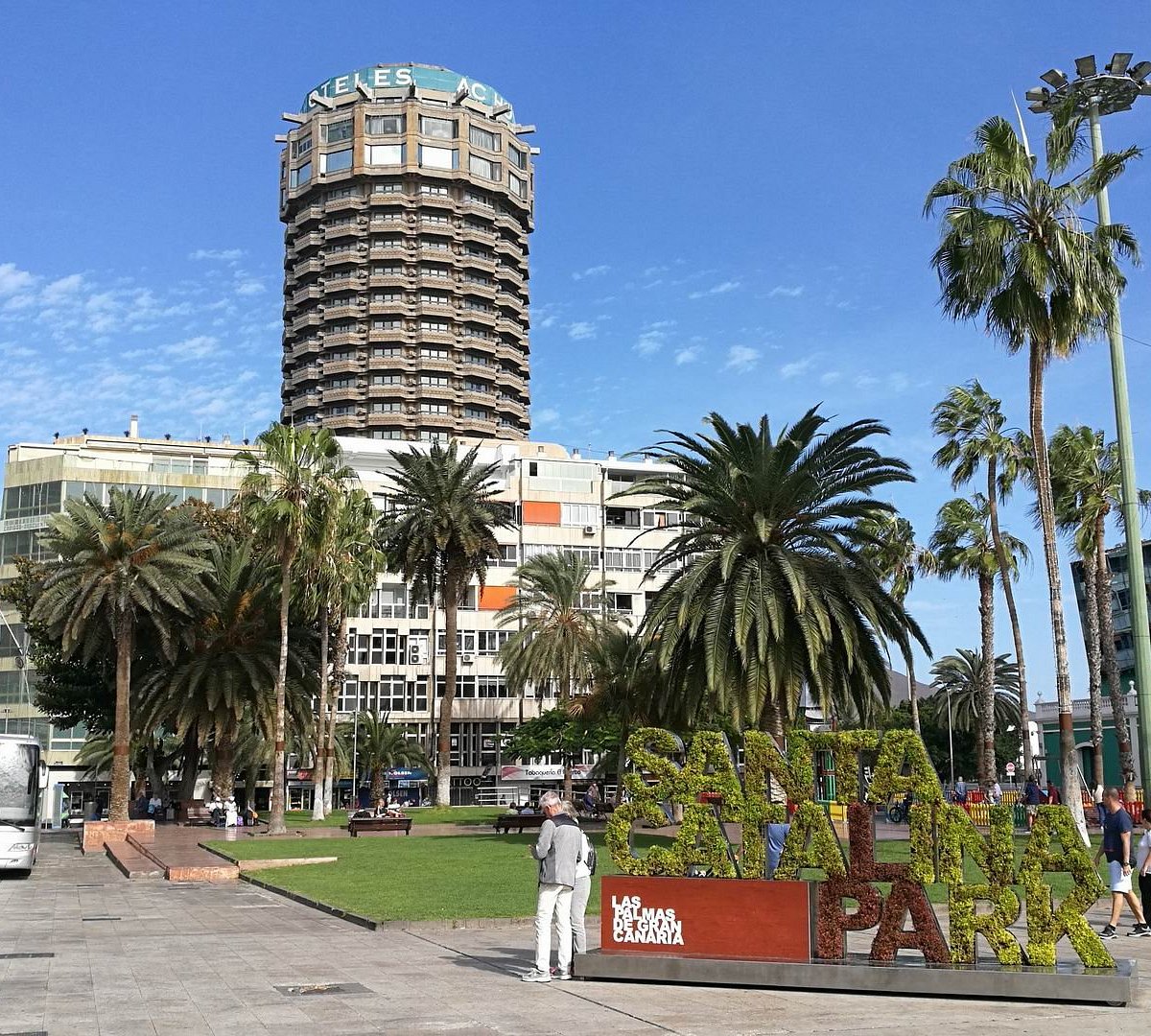
Santa Catalina Park
A central park near the port area, useful as a midday break point if you are staying along the northern stretch of the beach.

Vegueta historic quarter
The old town core of Las Palmas, with a different pace than the beachfront and best combined as an afternoon add-on after the morning snorkel window.
Check availability
Frequently Asked Questions: Snorkeling Gran Canaria Las Palmas
Everything you need to know about snorkeling gran canaria las palmas