

Quick answer
The best places for snorkeling Gran Canaria include Playa de Las Canteras with its natural reef barrier, El Cabrón marine reserve near Arinaga offering visibility up to 30 meters, and the sheltered coves of Puerto de Mogán. All public beaches and marine reserves charge no entrance fee. Morning sessions between 08:00 and 11:00 deliver the calmest sea conditions and clearest underwater visibility across the island.
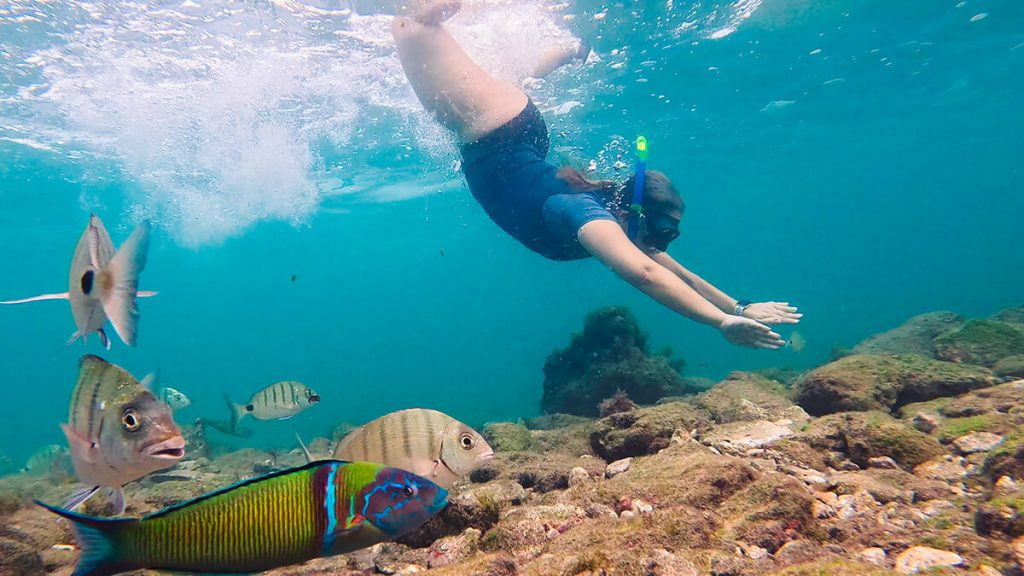
Gran Canaria's volcanic coastline drops steeply into the Atlantic, creating underwater walls and rocky platforms where parrotfish, damselfish, and octopus congregate in predictable patterns. The island's position in the Canary current brings nutrient-rich upwellings that support dense marine populations within easy reach of the shore. Playa de Las Canteras in Las Palmas stretches three kilometers along the capital's northwest edge, protected by La Barra—a natural lava-rock reef that runs parallel to the beach and creates a lagoon-like zone ideal for beginners. The reef itself hosts moray eels, trumpetfish, and seasonal schools of barracuda. South of the city, the El Cabrón marine reserve near Arinaga is a designated protected zone where fishing restrictions have allowed grouper and angel sharks to return. The site requires a short swim from the rocky shore but rewards with visibility that regularly exceeds 20 meters and underwater topography that includes swim-throughs and volcanic arches. The southwest coast presents calmer alternatives. Puerto de Mogán's harbor-adjacent cove offers flat entry and minimal current, suitable for families and first-time snorkelers. Nearby Playa de Amadores features a sloped sandy bottom transitioning to rock at depth, where damselfish and wrasse are common. For those seeking isolation, Playa de Güi-Güi—accessible only by boat or a two-hour hike—delivers pristine conditions and encounters with stingrays along its western edge. Water temperature holds steady between 18°C in February and 24°C in September, requiring at minimum a shorty wetsuit for extended sessions. Visibility peaks in spring and early summer when wind patterns stabilize and plankton blooms subside. The best places for snorkeling Gran Canaria share three traits: volcanic substrates that create habitat complexity, legal protections that limit extraction pressure, and shoreline access that bypasses private development. Morning departures align with offshore winds that flatten the surface and push sediment seaward, clearing the water column for the day's clearest views.
“Gran Canaria's volcanic coastline drops steeply into the Atlantic, creating underwater walls and rocky platforms where parrotfish, damselfish, and octopus congregate in predictable patterns.”
The Best Times for Snorkeling in Gran Canaria
The optimal window for snorkeling in Gran Canaria is during the morning hours, when Atlantic conditions remain at their calmest. Planning your visit between April and October provides the most favorable water temperatures and visibility for underwater exploration.
Morning hours
Low—
The best arrival window is 08:00–11:00, offering the calmest sea conditions and peak underwater visibility.
April to June
Moderate19°C to 22°C
Water temperatures begin to rise and the Atlantic remains relatively calm, ideal for longer sessions.
July to October
High23°C to 24°C
Warmest water temperatures of the year allow for comfortable snorkeling, though popular spots see more visitors.
November to March
Low18°C to 20°C
While cooler, this period offers clear water, provided there are no winter swells from the Atlantic.
Verdict: For the clearest conditions and minimal crowds, aim for weekday mornings between April and June or September and October.
Access Hours for the Best Places for Snorkeling Gran Canaria
Public beaches in Gran Canaria are accessible to the public 24 hours a day, providing continuous access for snorkelers.
| monday | 00:00–23:59 | |
|---|---|---|
| tuesday | 00:00–23:59 | |
| wednesday | 00:00–23:59 | |
| thursday | 00:00–23:59 | |
| friday | 00:00–23:59 | |
| saturday | 00:00–23:59 | |
| sunday | 00:00–23:59 |
Directions to the Best Places for Snorkeling Gran Canaria
Most coastal snorkeling locations in Gran Canaria are accessible via the island's comprehensive bus network, known as Global, or by private vehicle. Playa de Las Canteras, located at Playa de Las Canteras, 35010 Las Palmas de Gran Canaria, Las Palmas, Spain, serves as the primary hub for shore-based snorkeling.
Global Line 1 or 12 to Intercambiador Santa Catalina
GC-1 highway to Las Palmas de Gran Canaria
Walk from Santa Catalina park to Playa de Las Canteras
Top Underwater Zones: Best Places for Snorkeling Gran Canaria
Gran Canaria features diverse coastal zones ranging from protected urban reefs to volcanic marine reserves. These areas provide habitats for varied Atlantic marine life including damselfish, parrotfish, and rays.
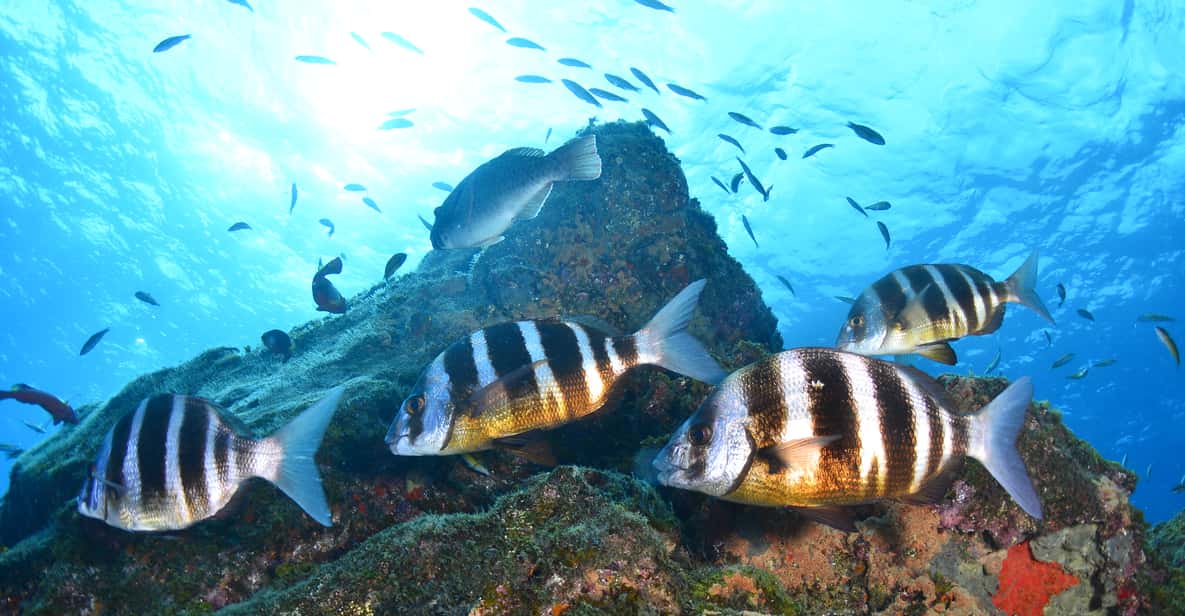
Playa de Las Canteras
A natural reef known as La Barra protects this urban beach, creating a calm lagoon ideal for observing marine biodiversity. The shallow waters allow for easy access to diverse fish species near the shoreline.
Explore the area near the northern end for more fish variety.
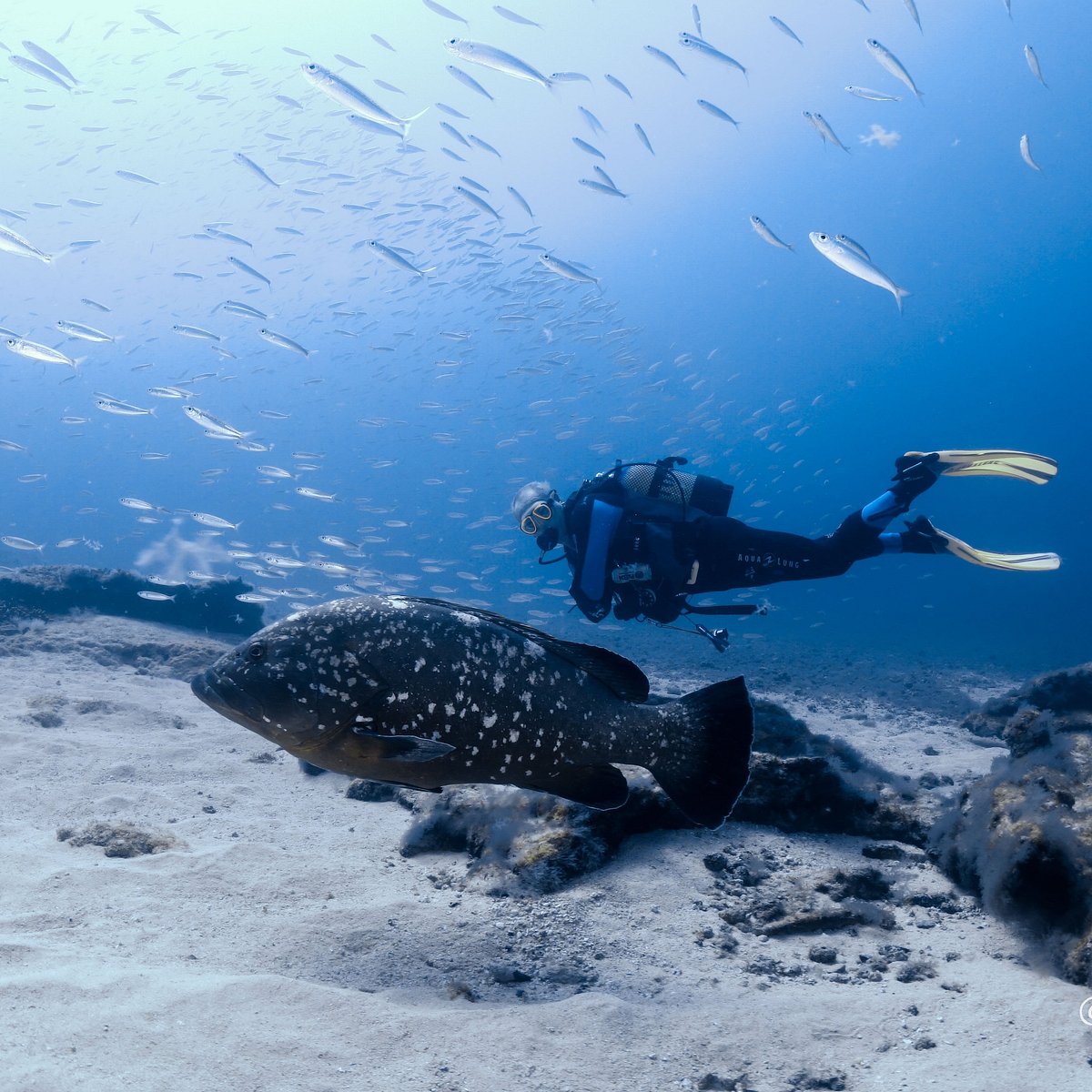
El Cabrón Marine Reserve
Located near Arinaga, this protected area features volcanic rock formations and caves that attract larger sea life. Its geological complexity makes it a significant site for underwater observation.
Enter from the small pebble beach to reach the deeper zones.
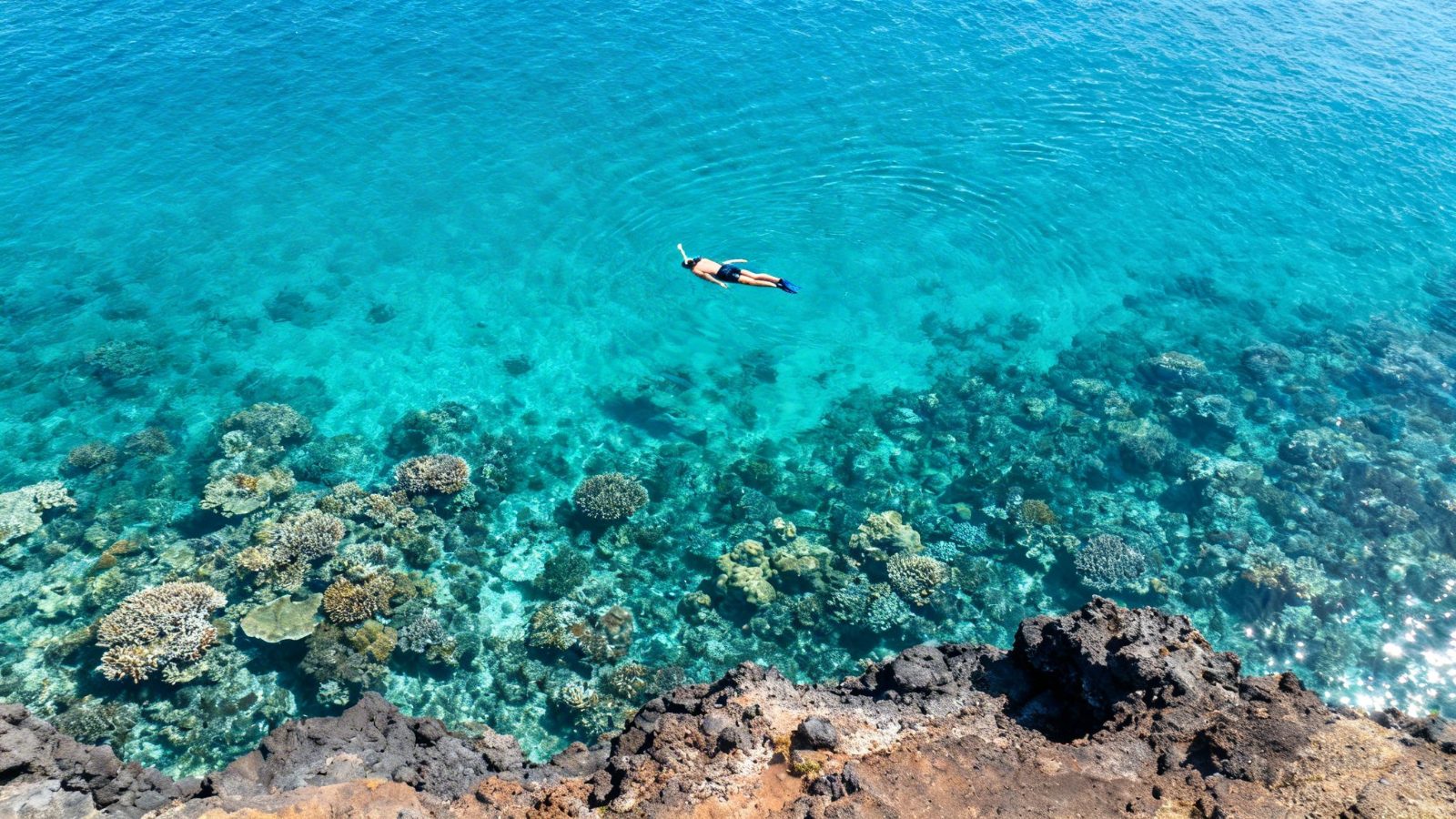
Arinaga Beach
This site offers entry to rocky coastlines where crevices provide shelter for octopus and cuttlefish. The clear water conditions often allow for extended visibility along the basaltic formations.
Watch for camouflaged marine life among the deep rock crevices.
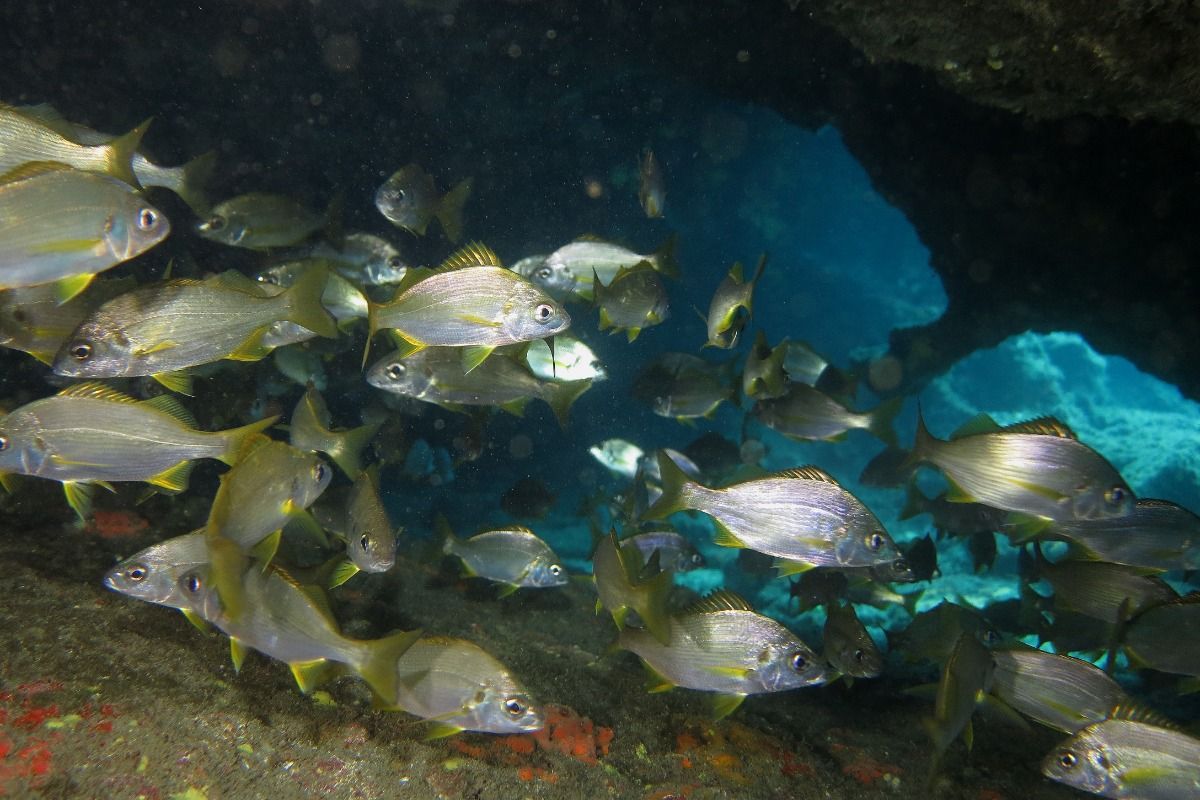
Tufia
A small, sheltered bay characterized by its black volcanic sand and clear waters. The surrounding reefs are home to schools of zebra seabream and various crustaceans.
Swim toward the rocky points to find the most active fish.
Preparation Checklist for Snorkeling in Gran Canaria
Gran Canaria's coastal waters are accessible year-round, but proper gear and safety preparation ensure a comfortable and secure snorkeling experience.
-
Pack a well-fitting mask and snorkel — A proper seal prevents leaks and fogging that reduce visibility.
-
Bring reef-safe sunscreen (SPF 30+) — Ocean-friendly formulas protect your skin without damaging marine ecosystems.
-
Wear a rash guard or wetsuit — Even in warm water, protection against sun exposure and minor scrapes is essential.
-
Carry fins for efficient movement — Fins reduce fatigue and help you navigate currents with less effort.
-
Bring a waterproof bag for valuables — Keep phones, keys, and documents dry while you're in the water.
-
Check local surf and wind forecasts — Calm conditions in the morning (08:00–11:00) offer the safest snorkeling window.
-
Pack a basic first-aid kit — Include bandages, antiseptic, and vinegar for potential jellyfish stings.
Check availability
Frequently asked questions about best places for snorkeling gran canaria
Everything you need to know about best places for snorkeling gran canaria