

Quick answer
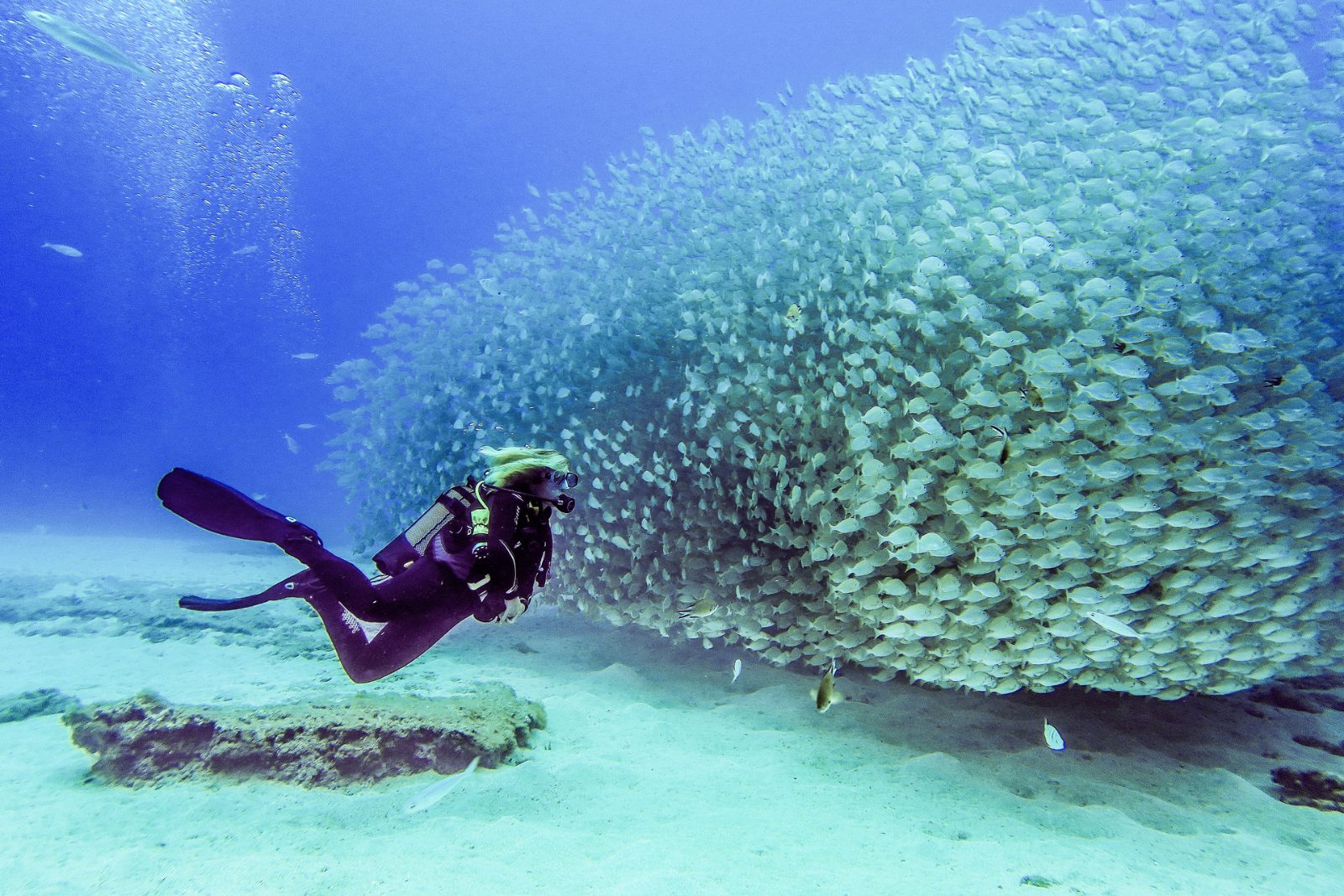
Snorkeling Gran Canaria Puerto Rico is free and accessible daily, with the best underwater visibility between 09:00 and 11:00 before midday crowds stir up sediment. The bay's volcanic rock formations on both flanks host damselfish, wrasse, parrotfish and occasional rays in water typically 3-6 meters deep, calm enough for beginners yet interesting enough for experienced snorkelers.
Puerto Rico beach records some of the calmest sea conditions in the Canaries because its crescent shape and artificial breakwaters filter out the open-ocean energy that batters northern shores. The seabed drops gently from golden sand to volcanic boulders within 20 meters of the waterline, creating habitat zones that concentrate marine life without requiring long surface swims. The left-hand rocky outcrop, near the harbor wall, offers the densest fish populations. Striped bream and ornate wrasse patrol the boulder edges, while damselfish guard their algae patches in the shallows. Parrotfish—identifiable by their beak-like mouths and turquoise scales—graze on encrusted rock throughout the day, their crunching audible underwater. The right-hand side, toward the resort hotels, has fewer rocks but clearer sand channels where flatfish and small rays settle. Water temperature ranges from 19°C in February to 24°C in September, warm enough to snorkel in a rashguard or shorty wetsuit year-round. Visibility depends more on tidal patterns and wind than season. Incoming tides bring cleaner offshore water, while outgoing flows can carry sediment from the beach. Southwest winds, common in winter, reduce clarity for a day or two after strong gusts. The shallow depth and bright sand reflect enough light to see detail even on overcast days, though bright midday sun reveals the full color spectrum of the reef. Snorkeling in Puerto Rico Gran Canaria works best as a self-guided activity. The compact bay keeps landmarks visible at all times, the shallow water allows easy exits, and the absence of boat traffic removes the main hazard found at other Canarian beaches. Freediving beyond the marked swimming zone is permitted, but the most varied marine life concentrates within 50 meters of shore where light penetration and food sources are strongest.
“The volcanic boulders on the bay's flanks host striped bream, wrasse, and parrotfish in water shallow enough to observe from the surface.”
The Best Time for Snorkeling Gran Canaria Puerto Rico
The best arrival window is 09:00–11:00, when the water remains calm, visibility is at its peak, and visitor density is low before the midday crowds arrive.
Weekday mornings
Minimal—
This is the quietest time for snorkeling as the beach is less occupied by swimmers.
Spring (April-May)
Moderate20°C–24°C
Water temperatures begin to rise and wind conditions are generally mild.
Autumn (September-October)
Moderate23°C–26°C
The ocean retains warmth from the summer, providing comfortable conditions for extended snorkeling sessions.
Weekend afternoons
High—
Expect busier conditions and potentially lower underwater visibility due to increased human activity.
Verdict: The best time to snorkel is on weekday mornings between 09:00 and 11:00 during the months of April, May, September, or October.
Opening Hours for Snorkeling Gran Canaria Puerto Rico
Playa de Puerto Rico is a public beach with no gate, ticket booth, or closing time, so snorkelers can access the water any day of the week.
| Monday | 00:00 – 23:59 | Open access, no gate |
|---|---|---|
| Tuesday | 00:00 – 23:59 | Open access, no gate |
| Wednesday | 00:00 – 23:59 | Open access, no gate |
| Thursday | 00:00 – 23:59 | Open access, no gate |
| Friday | 00:00 – 23:59 | Open access, no gate |
| Saturday | 00:00 – 23:59 | Open access, no gate |
| Sunday | 00:00 – 23:59 | Open access, no gate |
Entrance Fees and Costs for Snorkeling Gran Canaria Puerto Rico
Access to the snorkeling area at Playa de Puerto Rico is entirely public. There are no entrance fees required to access the beach waters for snorkeling.
Adults pay 0 EUR for beach access, though costs may apply if you choose to rent snorkeling gear from local shops.
How to Get to Snorkeling Gran Canaria Puerto Rico
Playa de Puerto Rico is located on the southwest coast of Gran Canaria and is accessible via the main GC-1 coastal highway. Visitors can reach the shoreline easily by public bus or private vehicle.
Global Bus lines 01, 33, or 91 to Puerto Rico station
GC-1 motorway following signs for Puerto Rico
Direct transfer to Playa de Puerto Rico
Checklist for Your Snorkeling Gran Canaria Puerto Rico Trip
Puerto Rico's sheltered bay makes snorkeling straightforward, but the right gear and preparation will keep you safe and comfortable in the water.
-
Pack a well-fitting mask and snorkel — A leaking or fogging mask ruins visibility and cuts your session short.
-
Bring or rent fins — Fins help you move efficiently against currents and conserve energy in deeper sections.
-
Apply reef-safe sunscreen before entering — Water reflection intensifies UV exposure, and reef-safe formulas protect marine life.
-
Wear a rash guard or wetsuit top — Extended sun exposure on your back causes burns even while floating face-down.
-
Bring a dry bag for valuables — The public beach has no lockers, so protect phones and keys from sand and water.
-
Arrive between 09:00 and 11:00 — Calm morning water offers the best visibility before afternoon winds and crowds arrive.
-
Check local conditions before entering — Occasional swells or jellyfish presence may require adjusting your plans.
Check availability
FAQ: Snorkeling Gran Canaria Puerto Rico
Everything you need to know about snorkeling gran canaria puerto rico