

Quick answer
Yes, there are sharks in Gran Canaria. At least nine species inhabit the coastal waters surrounding the Canary Islands, including angel sharks, hammerheads, and blue sharks. However, unprovoked attacks are extraordinarily rare—no fatal incidents have been recorded in modern tourism history. Most species stay in deeper offshore zones, and the handful that venture near shore are typically benthic or non-aggressive. Swimmers and snorkelers face minimal risk when following standard ocean-safety protocols.
More than 500 shark species exist worldwide, and Gran Canaria's position in the Atlantic convergence zone places it within the migratory and resident range of several. The waters around the Canary archipelago support populations of angel sharks, smooth hammerheads, shortfin makos, blue sharks, basking sharks, and thresher sharks, among others. Angel sharks—critically endangered and bottom-dwelling—are the species most likely to be seen by divers in shallow zones, particularly around rocky reefs and sandy flats. Hammerheads and blue sharks prefer pelagic environments beyond the surf zone, while basking sharks, the world's second-largest fish, occasionally appear during plankton blooms but pose no threat to humans. These species inhabit Gran Canaria's offshore shelf and abyssal drop-offs, not the bathing beaches where most visitors swim. Encounter probability is shaped by visibility, depth, and season. Daylight hours between 08:00 and 18:00 offer the clearest water and the highest volume of human activity, which typically displaces larger predators. Shark sightings in Gran Canaria occur most often during early morning dives or in areas with minimal boat traffic, not at the supervised beaches of Playa del Inglés or Las Canteras. The Canary Islands Marine Reserve enforces strict observation protocols for protected species, and fishing regulations limit bycatch, helping stabilize local populations without increasing human-shark overlap. Statistical records from the International Shark Attack File and regional marine authorities confirm that the risk of an unprovoked incident in Canary waters remains negligible. Swimmers who avoid dawn and dusk sessions, stay within designated zones, and refrain from wearing reflective jewelry follow the same protocols that reduce risk in any open-ocean environment. Gran Canaria's beaches are patrolled, and lifeguard teams maintain real-time communication with marine observation networks. The presence of sharks in these waters is an ecological constant, not a visitor hazard.
“The presence of sharks in these waters is an ecological constant, not a visitor hazard.”
Are There Sharks in Gran Canaria? What Species Live in These Waters
The waters surrounding Gran Canaria host a diverse marine ecosystem that includes various shark species. These animals typically inhabit deep or offshore environments, making sightings near popular swimming areas infrequent.
Scientific surveys have recorded over 20 species of sharks within the Canary Islands archipelago, ranging from small bottom-dwellers to large migratory predators.
Angel sharks are frequent in sandy zones
The Angel Shark (Squatina squatina) is a bottom-dwelling species often found partially buried in sandy sea floors. They are critically endangered and protected within these coastal regions.
Blue sharks roam the open ocean
Prionace glauca, known as the blue shark, is a highly migratory species found in the deep, pelagic waters surrounding the island. They rarely venture into shallow coastal zones used by snorkelers.
Tope sharks utilize regional nurseries
The Tope shark (Galeorhinus galeus) is periodically spotted in these waters. Local marine research indicates these sharks sometimes use the surrounding shelf areas for development.
Hammerhead sharks visit during migrations
Occasional sightings of hammerhead sharks occur as these animals follow migratory routes through the Atlantic. These encounters are generally limited to deep water channels far from shore.
Whale sharks pass through deep currents
Common Myths About Sharks in Gran Canaria, Debunked
Misconceptions about shark presence in Gran Canaria often stem from media sensationalism and a lack of awareness regarding local marine ecology. Understanding the reality of these encounters helps visitors enjoy the water with accurate expectations.
MythThe ocean is full of dangerous sharks
FactGran Canaria's coastal waters host diverse marine life, but encounters with apex predators that pose a threat to humans are extremely rare.
MythAngel sharks attack swimmers
FactAngel sharks are bottom-dwelling creatures that are generally sedentary and possess a shy temperament, posing no active threat to snorkelers or swimmers.
MythSightings mean imminent danger
FactA shark sighting in the wild ocean does not indicate aggressive intent, as most species naturally avoid human interaction and prefer to maintain distance.
Dos and Don'ts if You See a Shark While Snorkeling in Gran Canaria
If you encounter a shark while snorkeling in Gran Canaria's waters, calm behavior protects both you and the animal. Most sightings involve harmless angel sharks resting on sandy bottoms.
Do
- Stay calm and maintain steady breathing if you spot a shark
- Keep at least 3 meters distance from any shark you see
- Move slowly and avoid sudden splashing or erratic movements
- Exit the water calmly if you feel uncomfortable or unsure
- Report angel shark sightings to local dive centers or conservation groups
- Observe from above without descending directly toward bottom-dwelling species
Don't
- Don't touch, chase, or attempt to corner any shark
- Don't swim directly over angel sharks resting on the seabed
- Don't use flash photography that may startle resting animals
- Don't block a shark's escape route or pin it against rocks
- Don't panic or scream, which can escalate the situation
- Don't assume all sharks are dangerous and abandon snorkeling entirely
Best Time to Snorkel in Gran Canaria for Marine Life Viewing
The best arrival window for observing marine life in Gran Canaria is 08:00–18:00. During these daylight hours, optimal visibility improves the chances of spotting bottom-dwelling species in shallow sandy bays.
08:00–18:00
Low to moderate—
Daylight hours provide the clearest water conditions for observation.
Winter months
Moderate18°C–22°C
Cooler water temperatures often bring angel sharks closer to the sandy coastline.
Summer months
High23°C–26°C
Warmer waters are ideal for extended snorkeling sessions in calm conditions.
April and October
Low20°C–24°C
These shoulder months offer a balance of mild air temperatures and calm seas.
Verdict: The optimal time to visit is during the 08:00–18:00 window, particularly during the shoulder months of April or October when sea conditions remain calm.
Where to Snorkel Near Gran Canaria to Spot Sharks Safely
Exploring the coastal waters of Gran Canaria offers opportunities to observe marine life in its natural habitat. Several locations are recognized for their biodiversity and accessibility for snorkelers.
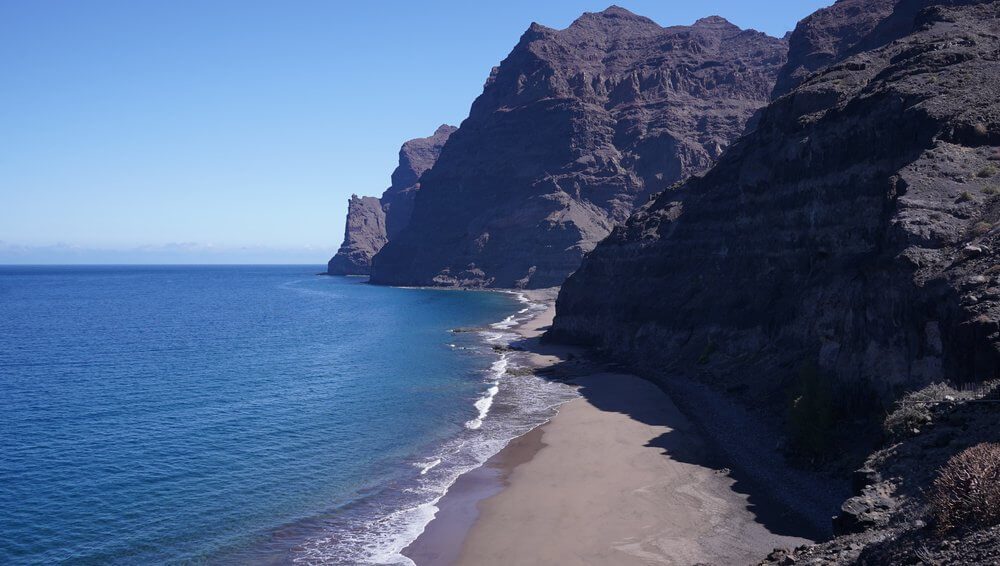
Playa de Las Canteras
This beach features a natural lava rock reef that protects the bay, creating calm conditions for observing local marine species.
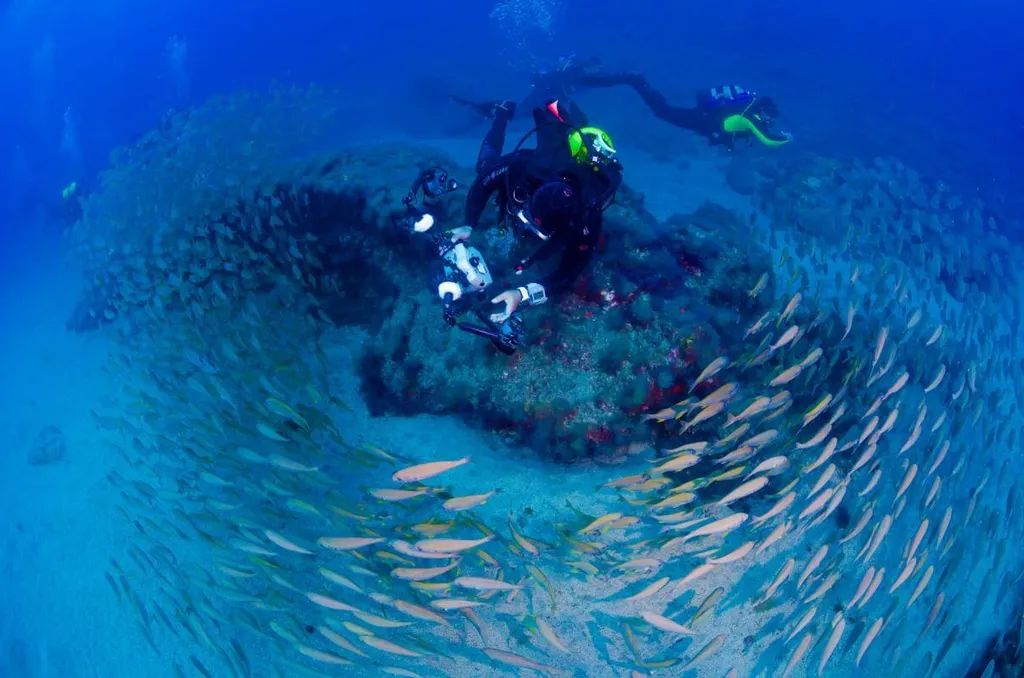
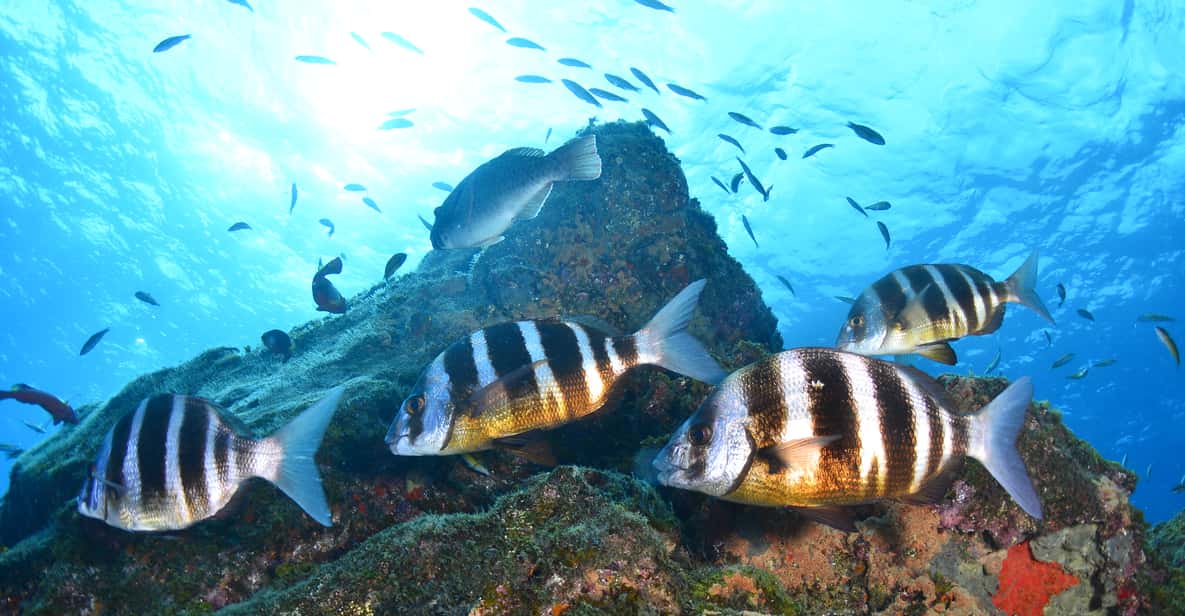
Playa del Cabrón
Located near Arinaga, this marine reserve is frequently cited for its clear water and diversity of bottom-dwelling marine life.
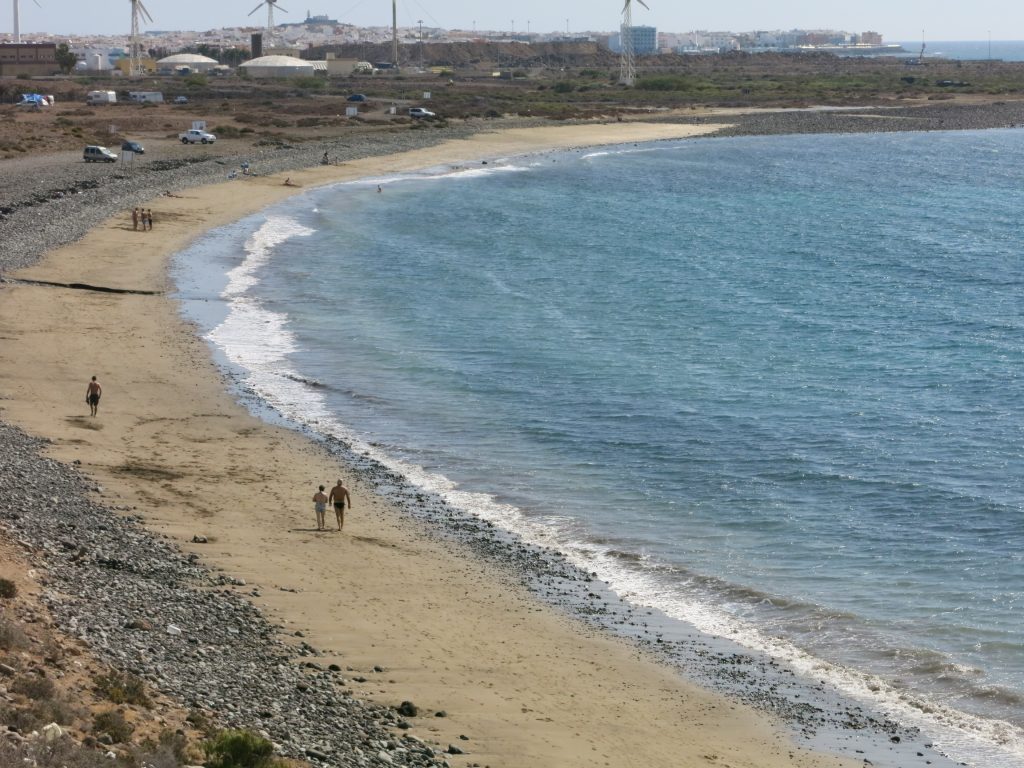
Bahía de Formas
Situated on the eastern coast, this sheltered area provides an alternative site for those looking to explore quiet coastal zones.
Checklist Before You Snorkel in Gran Canaria's Shark Waters
Gran Canaria's angel sharks inhabit open ocean and protected reserves, so preparation differs from typical beach trips.
-
Check Playa del Cabrón marine reserve permits — The reserve requires advance notification for snorkeling groups and restricts certain zones.
-
Pack a wetsuit for winter visits — Water temperatures drop to 18°C December through March, limiting comfort and bottom time.
-
Contact local dive shops for recent sightings — Angel shark locations shift seasonally; current reports increase your chances significantly.
-
Arrange a snorkeling buddy or guide — Shark observation requires attentive scanning of sandy bottoms, safer and more effective with a partner.
-
Bring an underwater camera with macro capability — Angel sharks rest motionless and blend with sand, requiring close-focus equipment for clear documentation.
-
Download offline maps of coastal access points — Mobile coverage weakens along remote southern shores where sightings are most common.
Check availability
Frequently Asked Questions About Are There Sharks In Gran Canaria
Everything you need to know about are there sharks in gran canaria